A First-Timer's Guide to Buying a Home in a 55+ Community
By Darlene Cutter, REALTOR® | Continental Country Club, Wildwood, FL
Most of the buyers I work with have purchased homes before. They've been through the mortgage process, the inspection, the closing table. They know what a real estate transaction feels like.
But buying in a 55+ community for the first time is different — not dramatically, but meaningfully. There are age verification steps most buyers have never encountered. There are community documents that carry more significance than a typical HOA package. And for the majority of my clients who are buying from New York, New Jersey, or Pennsylvania without physically being in Florida, the process of evaluating and purchasing a home remotely adds another layer of questions.
This guide walks you through the entire process — from first search to closing day — with the specifics that apply to Continental Country Club and the Wildwood, Florida area. Think of it as the orientation I wish every buyer got before their first call with me.
Step 1: Understanding the Age Rules
The legal foundation of every 55+ community is the Housing for Older Persons Act (HOPA), a federal law that allows age-restricted communities to legally limit residency by age. Without it, age restrictions would violate the Fair Housing Act.
Under HOPA, a community qualifies as a 55+ community if:
- At least 80% of occupied units have at least one permanent resident who is 55 or older
- The community publishes and follows policies demonstrating its intent to be housing for persons 55 and older
- The community verifies resident ages through reliable documentation
The qualification rules are more nuanced than many people realize. The primary resident must be 55 or older, but HOPA does not require both members of a couple to meet the age threshold. If one partner qualifies, the other may be any age. This is important for couples with a significant age gap.
What this means for buyers:
When you purchase at Continental Country Club, you will be asked to provide proof of age — typically a driver's license or passport — for all permanent residents. This is a routine part of the community's HOPA compliance process, not a personal screening. It happens for every buyer.
Grandchildren and other younger family members can visit, but cannot be permanent residents. The community maintains records to ensure the 80% threshold is met across all occupied homes.
One practical note: if you are 54 years old and your spouse or partner is 55+, you can typically buy together because the qualifying resident (your spouse) meets the age requirement. If you have any uncertainty about your specific situation, ask before you make an offer — I can help you get clarity quickly.
Step 2: Know What You're Buying Before You Fall in Love
One of the most important things I tell first-time 55+ community buyers is this: the community's governing documents are as important as the home itself. Maybe more so.
When you buy in Continental Country Club, you're agreeing to live under a set of rules established in the community's Declaration, Covenants, Conditions & Restrictions (CC&Rs), Bylaws, and Rules and Regulations. These govern what you can do with your home, your lot, and your place in the community.
Under Florida Statute §720.401, sellers must provide buyers with a disclosure summary that includes information about the HOA and its assessments. CC&Rs are legally binding on every property owner in the community. When you purchase a home in an HOA community, you automatically become a member of the association and agree to follow its rules, regardless of whether you read them before closing.
So read them before closing. Here's what to look for:
In the CC&Rs:
- Pet policies (number of pets, size restrictions, breed restrictions)
- Rental restrictions (can you rent your home? Short-term rental prohibition?)
- Exterior modification rules (can you add a screened porch, change your paint color, add a golf cart garage?)
- Guest policies (how long can family members visit?)
- Vehicle restrictions (certain communities restrict commercial vehicles, trucks, or RVs)
In the financials:
- Current HOA budget — is income covering expenses?
- Reserve fund balance — is the community saving adequately for future capital expenses?
- Any pending special assessments — capital projects that will require additional payments from homeowners
- Fee increase history — has the HOA been stable, or have fees risen sharply?
Major red flags in HOA documents include reserve funding under 30%, multiple recent special assessments, pending litigation, high delinquency rates, and frequent management changes.
Meeting minutes: The last 12–24 months of board meeting minutes are a community's diary. They'll tell you what issues have come up, what projects are planned, what disputes exist, and what the board has been focused on. A buyer closed on a condo without reviewing meeting minutes. Four months later, they received a $35,000 special assessment for a project the board had been discussing for 18 months. The warning signs were in the minutes.
I provide every buyer with all governing documents and walk through them together. Nothing in that package should surprise you at closing.
Step 3: The Florida HOA Estoppel Certificate
This is a document most out-of-state buyers have never heard of, but it's critically important.
Under Florida law, when a home in an HOA community is sold, the seller must obtain an estoppel certificate from the association — a legally binding document that states exactly what is owed to the HOA as of a specific date. It shows current monthly dues, any unpaid balances owed by the seller, any pending special assessments, and any violations on record for the property.
The HOA estoppel certificate is required under Florida law and must be delivered within 10 business days of request.
Why this matters to you as a buyer: if the seller owes back HOA dues or has open violations, those obligations can follow the property if not properly settled at closing. The estoppel certificate protects you by establishing a clear snapshot of the HOA's claims against the property at the time of your purchase. I request this for every transaction and review it with you before you close.
Step 4: Buying Remotely — How It Works
The majority of my buyers from New York, New Jersey, and Pennsylvania purchase their Continental Country Club home without being physically present in Florida during most of the process. This is entirely normal and increasingly common — and it works well when you have a Realtor who is genuinely present on the ground.
Here is how I walk remote buyers through the process:
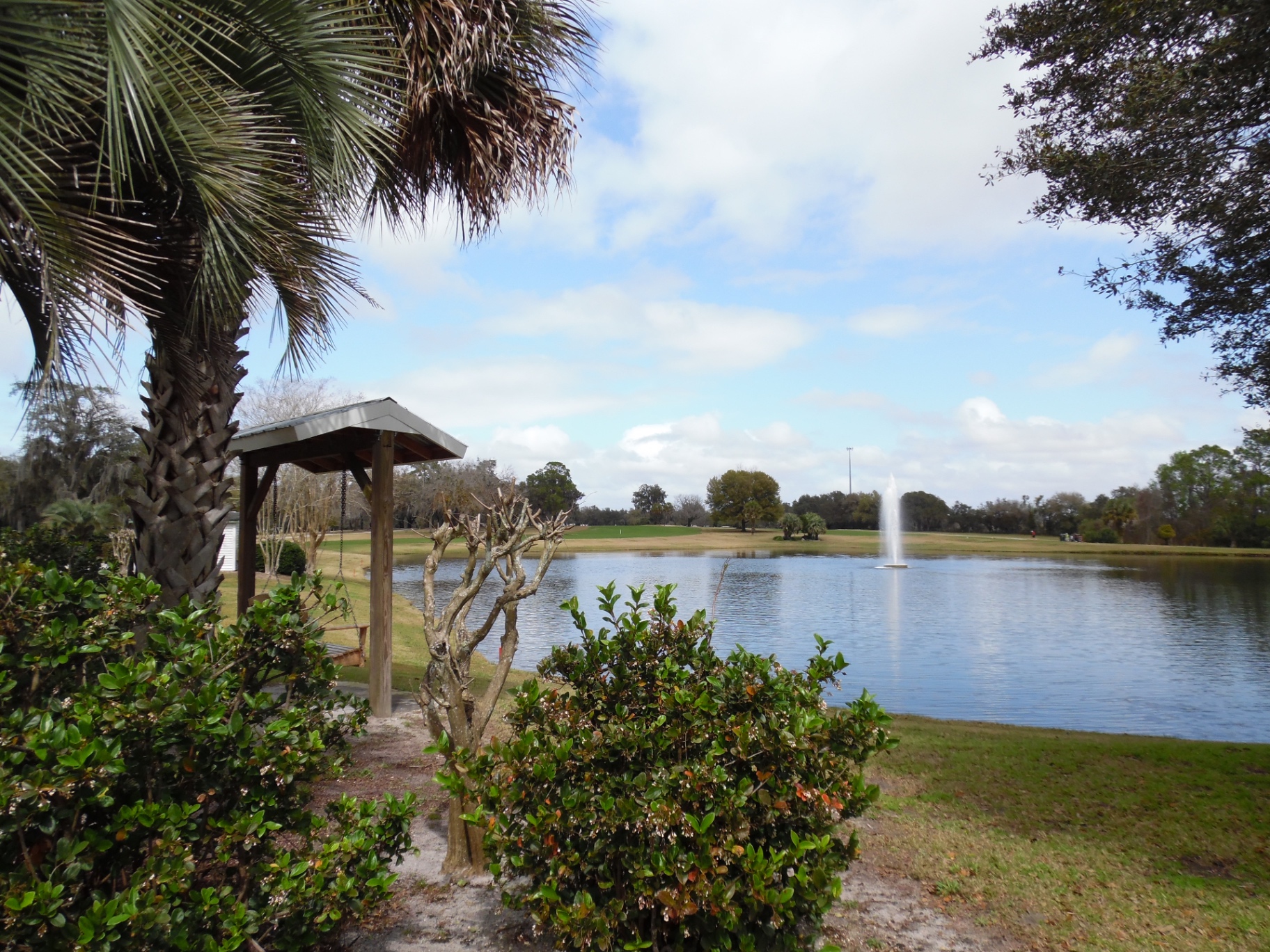
Virtual tours. For every home you're interested in, I conduct a live video walkthrough via FaceTime or Zoom. I walk every room, every corner, every closet. I check the water pressure, look under sinks, examine the roof condition from outside, and walk the lot. I tell you what I see honestly — the good and the things to be aware of. I then drive to the neighboring homes, the community entrance, the pool, and the restaurant so you understand exactly where the home sits within CCC.
Neighborhood context. I live here. When you ask what it's like to live at the end of Bobwhite Circle, or whether the golf course noise carries to the back lanai, or what the road conditions are like after summer rain — I know the answers because I've experienced them. That's not something you get from a listing agent who has never been a resident.
Inspections. You do not need to be present for the home inspection. I attend on your behalf, walk the inspector through the property, and video call you in real time during key findings. You receive a full written report with photos, and we review it together and discuss which items are significant and which are routine.
Making an offer and signing documents. All contract documents in Florida can be signed electronically. You'll never need to print, scan, or fax a document. Everything goes through a secure digital platform that tracks signatures and keeps your transaction organized.
The closing. Florida remote closings are routine. The title company can conduct a mail-away closing: they send the closing documents to you via overnight mail, you sign them in front of a notary in your state, and mail them back. Alternatively, many buyers who are planning to be in Florida within a week or two of their closing date simply coordinate to close in person. Either way works.
One visit recommendation. Even though the full purchase can be completed remotely, I encourage buyers to make at least one visit to Continental Country Club before going under contract — ideally spending two or three days here. Tour the homes you're interested in in person. Have lunch at Paulie's Oaks. Walk the golf course. Talk to your potential neighbors. There is information you absorb in person that no virtual tour fully conveys. If a trip is genuinely not possible, I've successfully closed remote-only transactions many times. But if you can come, come.
Step 5: Financing a 55+ Community Home in Florida
A few financing realities that first-time Florida buyers from the Northeast sometimes find surprising:
Conventional financing is available. Because Continental Country Club homes are fee-simple real property — you own the home and the land — conventional mortgage financing is available through standard lenders. This is a meaningful advantage over land-lease community homes, which often require specialty chattel loans.
Get pre-approved before you search seriously. The Florida market moves quickly, particularly in desirable 55+ communities near The Villages. Having a pre-approval letter in hand means you can make a competitive offer quickly when the right home comes available.
Cash buyers have an advantage. A significant portion of 55+ community buyers — particularly those selling a higher-priced Northeast home and buying a lower-priced Florida home — purchase with cash. If the proceeds from your northern home sale will cover most or all of your Florida purchase, you may find that paying cash simplifies the process considerably and makes your offer more competitive.
Florida homeowners insurance. This is the cost that surprises most Northeast buyers. Florida homeowners insurance is more expensive than what most buyers are accustomed to in New York, New Jersey, or Pennsylvania — though the picture has been improving. Get insurance quotes early in your search, not at the end, so your monthly cost projections are accurate from the start. I can refer you to insurance brokers who specialize in Sumter County and know the CCC market.
Flood insurance. Ask about the flood zone designation for any specific home you're considering. Many homes in Continental Country Club are in Zone X — the lowest-risk flood designation, which generally does not require flood insurance. But this varies by specific lot, and you should verify for any home you're seriously pursuing.
Step 6: The Timeline — What to Expect
For most buyers, from first serious contact to keys in hand, the process runs approximately 45–75 days when financing, and 30–45 days for cash buyers. Here is a general timeline:
| Phase | Typical Timeline |
|---|---|
| Search and virtual tours | Ongoing — can begin before you visit |
| In-person visit (recommended) | 1–5 days |
| Offer and acceptance | 1–5 days after identifying the right home |
| Inspection period | Typically 10–15 days in Florida |
| HOA document review and estoppel | Concurrent with inspection |
| Mortgage processing (if financing) | 30–45 days from contract |
| Closing | Per contract terms — 30–60 days typical |
The inspection period is your primary window to ask questions, review documents, request repairs, or walk away from a home that doesn't meet your expectations. I protect this window carefully for every buyer I work with.
Step 7: After You Close
Closing day is not the end of my job — it's the beginning of yours as a Continental Country Club resident.
A few things to do in the first 30 days after closing:
- File your Homestead Exemption application with the Sumter County Property Appraiser's office. This exemption reduces your assessed value by up to $50,000 and activates the Save-Our-Homes cap on future assessment increases. The deadline is March 1 of the year following your purchase.
- File your Declaration of Domicile with the Sumter County Clerk to formally establish Florida as your primary residence for tax purposes.
- Update your driver's license, vehicle registration, and voter registration to your Florida address.
- Introduce yourself to your HOA welcome committee — Continental Country Club has an organized process for welcoming new residents.
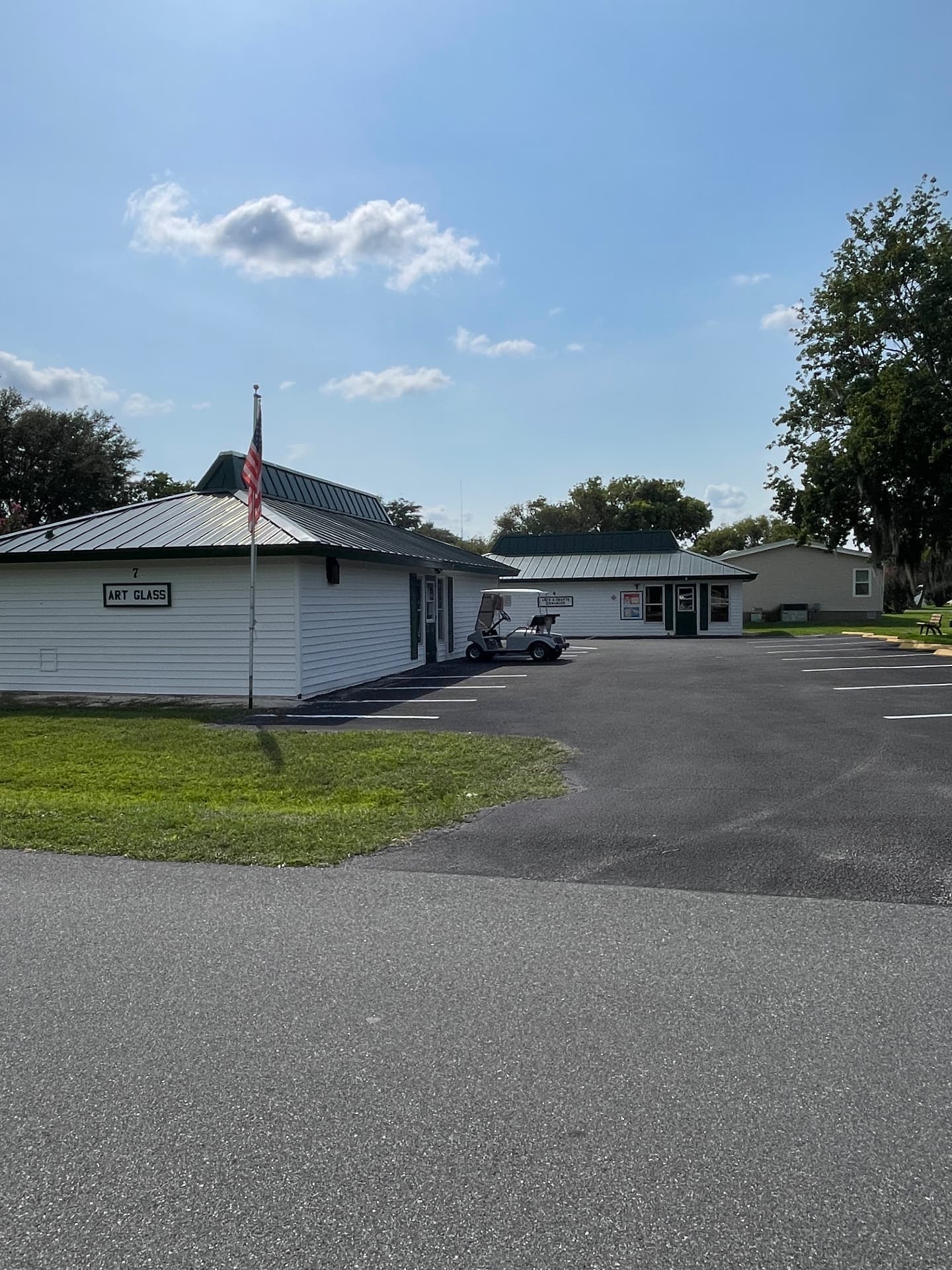
- Pick one club or activity and show up. The golf course, the pool, the Wednesday social, the ceramics class — wherever your interests lie. The community will meet you more than halfway.
The Bottom Line
Buying in a 55+ community for the first time involves a few steps and documents you haven't seen before. But it is not complicated when you have a Realtor who has been through this process hundreds of times — and who has done it for herself.
If you have questions at any point — before you're ready to search, in the middle of a transaction, or after you've closed and you're trying to figure out the Homestead Exemption — email me. I'm here.
darlenecutter@darlenecutter.com | 814-720-5356 | Available seven days a week.
Darlene Cutter is a REALTOR® and 15-year Continental Country Club resident with 30+ years of real estate experience in Sumter County, Florida. Licensed under Four Star Home Brokers Inc. (License #SL3105424).
Ready to start your search? Browse available homes in Continental Country Club, or contact Darlene to begin the conversation.
Frequently asked questions about buying in a 55+ community
Do both spouses need to be 55 to buy in a 55+ community?
No. Under the federal Housing for Older Persons Act (HOPA), only one permanent resident per household needs to be 55 or older. If one spouse qualifies, the other may be any age. You will be asked to provide proof of age documentation for all permanent residents during the purchase process.
Can I buy a home in Continental Country Club without visiting Florida in person?
Yes. Most of Darlene's clients from New York, New Jersey, and Pennsylvania purchase remotely using live video walkthroughs, electronic document signatures, and mail-away closings. Darlene attends inspections on your behalf and provides real-time video during the inspection. A brief visit before going under contract is recommended when possible, but is not required.
What is an HOA estoppel certificate in Florida?
An estoppel certificate is a legally required document in Florida HOA transactions that states exactly what the seller owes to the HOA as of the closing date — including dues, unpaid balances, violations, and pending special assessments. It protects the buyer from inheriting the seller's HOA obligations and must be delivered within 10 business days of request under Florida law.
What is the Homestead Exemption in Florida and how do I file for it?
Florida's Homestead Exemption reduces a primary residence's assessed value by up to $50,000 for property tax purposes and activates the Save-Our-Homes cap, which limits future assessed value increases to 3% per year. New homeowners must file with the Sumter County Property Appraiser's office by March 1 of the year following their purchase.
What documents should I review before buying in a 55+ HOA community?
Before closing, review the CC&Rs (Covenants, Conditions & Restrictions), Bylaws, Rules and Regulations, current HOA budget, reserve fund balance, any pending special assessments, the estoppel certificate, and the last 12–24 months of board meeting minutes. Red flags include reserve funding under 30%, multiple recent special assessments, and pending litigation.
Can I get a conventional mortgage to buy a home in Continental Country Club?
Yes. Because Continental Country Club homes are fee-simple real property — you own both the home and the land — conventional mortgage financing is available through standard lenders. This is an advantage over land-lease communities, where homes often require specialty financing.
How long does it take to buy a home in Continental Country Club?
For financed buyers, the typical timeline from offer to closing is 45–75 days. Cash buyers typically close in 30–45 days. The inspection period in Florida contracts is typically 10–15 days, during which buyers can review HOA documents and request repairs or walk away.